
Australian field guide

Top 10 Dining Notes

A measured guide to curated in-person Australian restaurant experiences where the meal remains the first consideration, and a physical card lounge, card room or poker table may add a gentle second rhythm to the evening. These notes look at food, room pace, hosting and the natural movement between table and lounge.


How to read the notes

Begin with meal styleconsider lounge atmosphereask when booking about private gathering context
Start with note one
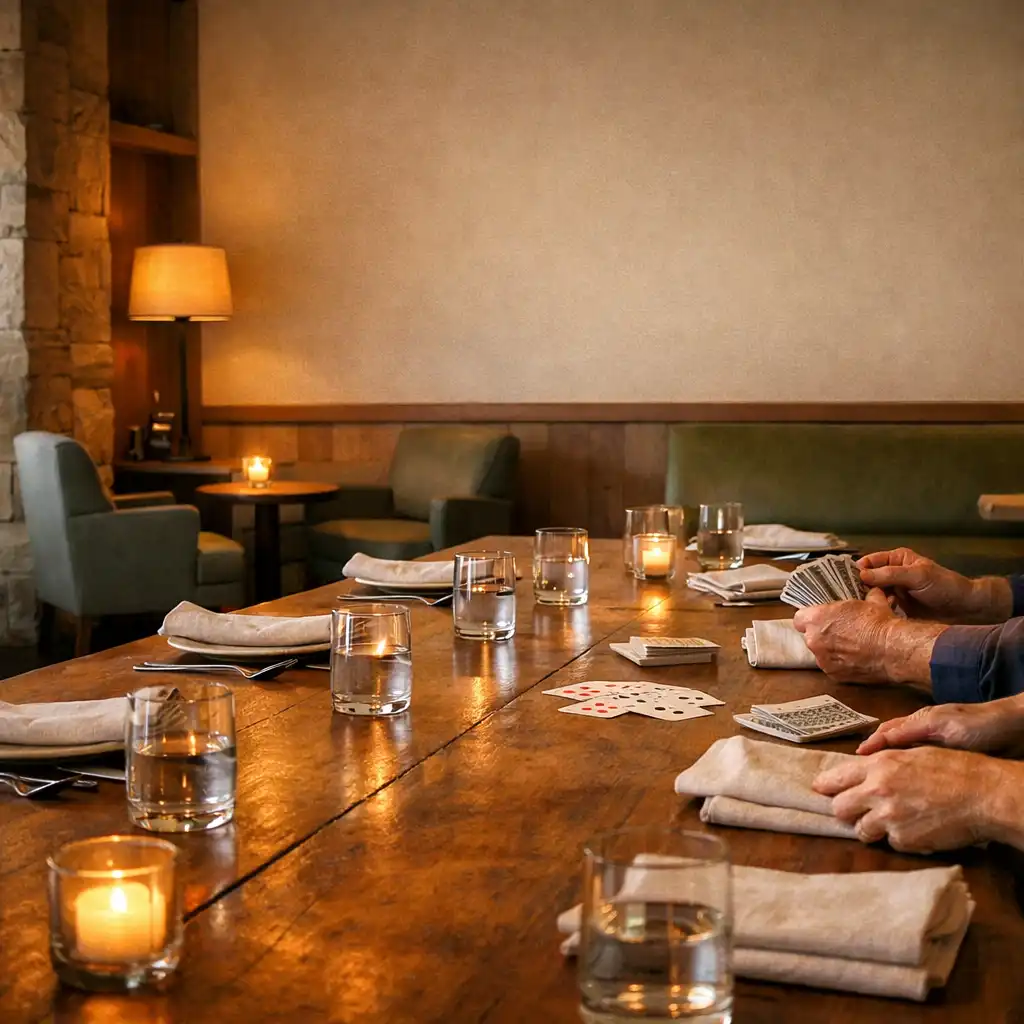
A long timber communal table prepared for an early evening meal beside a quiet card lounge.

An in-person guide. These notes are for time spent together at a restaurant table, in a card lounge or card room, and around physical poker tables where offered. They do not cover online poker or remote participation. Room formats and hosted moments can vary, so check the relevant visit pathway as you make plans.

Notes 01–05: begin with the table

These first Top 10 dining notes are an observed way to choose by dinner pace and a room’s capacity for conversation, rather than a scorecard. The Best 10 feeling often begins with a comfortable first sitting: enough time for the menu, a well-spaced table and a room that does not rush its guests.

Consider meal timing, seasonal choices, seating and lounge proximity as small signals. They help you decide whether a restaurant setting can hold both a considered meal and an easy in-person card-table moment.

01

Let dinner arrive first

Choose a restaurant where the first course sets an unhurried pace before any card-lounge activity is considered. Allow room for a welcome drink, shared starters and the first stretch of conversation to settle. When dining is central, the rest of the evening feels like a continuation rather than an interruption. A good first sitting gives everyone time to notice the room, read the menu and arrive together.
Best for: a long first sitting

02

Follow the season, not a fixed script

Look for seasonal menu choices that are easy to share and let a group remain at the table without fuss. A changing menu can make a return visit feel considered, giving the meal a fresh point of conversation without demanding a rigid plan. Notice whether the offering invites a slower, produce-led rhythm and leaves space for people to choose together, pause and enjoy the table as it is.

Seasonal cue: shared plates and produce-led menus

03

Listen for a room that leaves space

Prefer a room with an audible but not overwhelming atmosphere, so the meal can hold its own before guests move toward a card room. Table spacing, warm light and considered sound are useful things to notice. Not every restaurant has a separate card room, but where one sits nearby, the dining room should still feel complete in itself: calm enough for stories, practical enough for a longer catch-up.

Conversation should not have to compete.

04

Choose a gentle change of scene

Consider whether the card lounge feels connected to the dining room without interrupting its rhythm. The most comfortable lounges act as a place to continue conversation and settle in after the meal, not as a competing destination. Look for a natural threshold: perhaps the point after dessert, when the table has done its work and the group is ready for a quieter change of setting in the same hosted environment.

Room cue: a natural shift after dessert

05

Let the host set the rhythm

For a first visit, favour clear host guidance: where to begin, when to move and how a physical poker table fits the room. A thoughtful host can make those transitions feel relaxed and welcoming, especially when a group is still learning the shape of the evening. Host stories matter here because they offer useful context about the room itself, rather than a list of promises or a prescribed programme.

Practical cue: clear, calm guidance between table and lounge

Between course and card room

A lounge should feel like the next room

A card room or card lounge works best as a continuation of hospitality: a place to settle after the table, rather than a distraction from it. In these physical restaurant experiences, shared plates, room light and conversation remain the context. The card-table moment is simply another way for guests to stay together once dinner has found its pace.

“The best transition is the one that does not need announcing.”

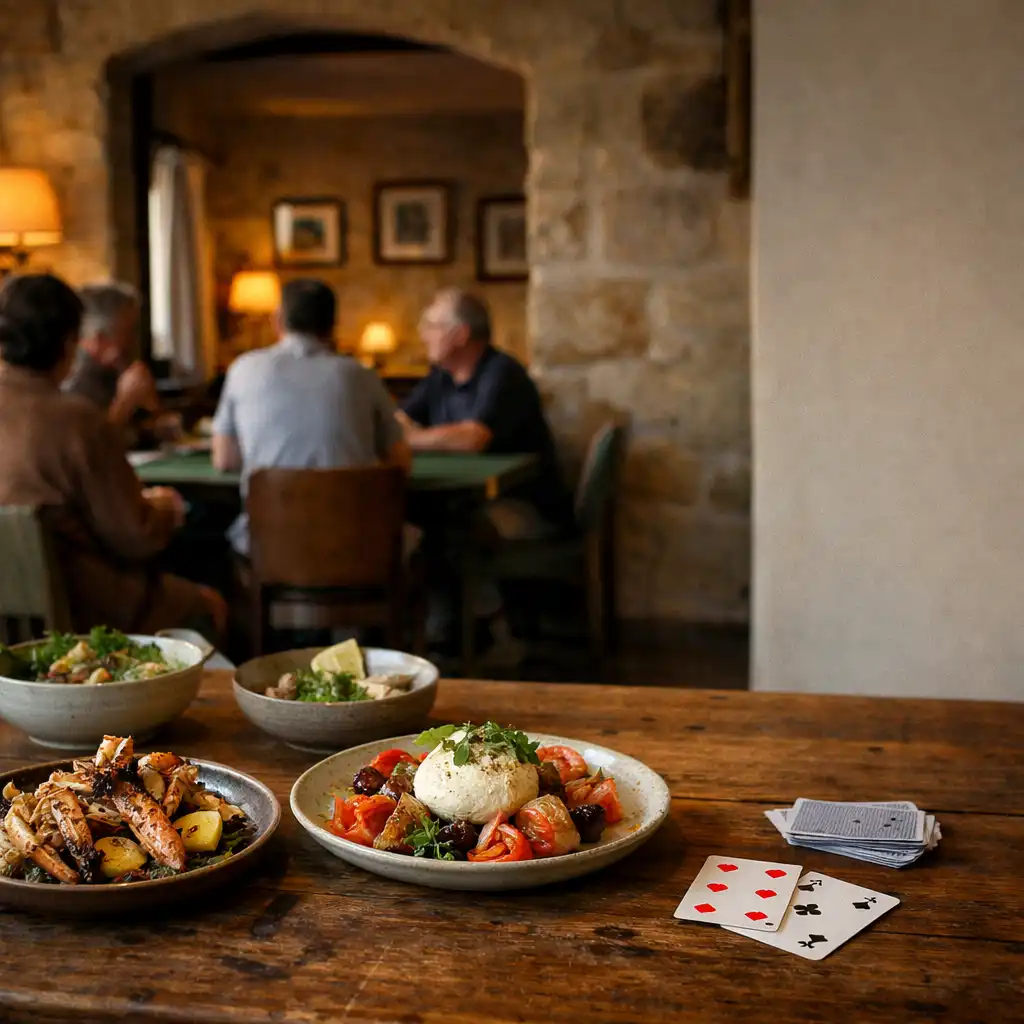
Shared plates on a timber table with a calm card-room opening beyond the dining room.
Shared plates and a nearby room offer a quiet sense of continuity.

Notes 06–10: plan the shape of the evening

The second five notes turn a good dining idea into an easy, well-paced in-person evening. The Best 10 approach is less about perfecting every detail than allowing for the group, the table and the room’s final tempo. Timing, host context and comfort are often what make a gathering feel simple.

Use these considerations when you are weighing a private gathering, a seasonal meal or a lounge-adjacent dinner in Australia. They are editorial prompts, not booking instructions, and leave room for the particular character of each visit.


06

Leave room after the main meal

Choose a meal duration that leaves room for dessert, a pause and a natural move toward a card lounge or physical poker table where offered. There is no need to force the pace: settle in, make an evening of it and let the group decide when the dining conversation has reached a comfortable pause. A little time after the main meal can make the rest of the night feel less arranged.

Timing cue: leave a little room after the main meal

07

Choose the right gathering size

Match the table to the group: close enough for shared conversation, with enough breathing room for a private gathering to feel comfortable. A considered catch-up often benefits from a table where people can listen across the meal without leaning in or calling out. Think about the mood you want to keep after dinner as well; a smaller group may move gently, while a wider table can give everyone their own place.

Good for: small groups and considered catch-ups

08

Ask for the story behind the room

Treat a host story as useful local knowledge: the small detail about the room, the menu or the card table that makes a visit feel personal. When planning, it is reasonable to ask what the room is known for and how guests usually find its rhythm. The answer may be simple, but it can help a group choose between a longer meal, a lounge moment or a more private table setting.

A good room usually has one small detail worth noticing twice.

09

Pay attention to the table itself

Notice the practical comfort of the table area: chair spacing, softer light and a surface that suits shared plates before cards are laid out. These tangible details are part of hospitality, not decoration. A comfortable seat and a clear tabletop help guests stay present through dinner and make any later card-table conversation feel easy to join. The room does not need to perform; it simply needs to support the people in it.

Table detail: comfort holds the evening together

10

End on the same calm note

Finish with the value of a gentle close: coffee, a final conversation and an unhurried departure after an offline poker evening or card-table gathering. A meal does not need a dramatic ending to feel memorable. If this quieter pace is what you are looking for, the related Best 10 Offline Poker Evenings guide offers another editorial route into physical, hosted restaurant experiences.

Leave enough quiet at the end for the evening to feel complete.

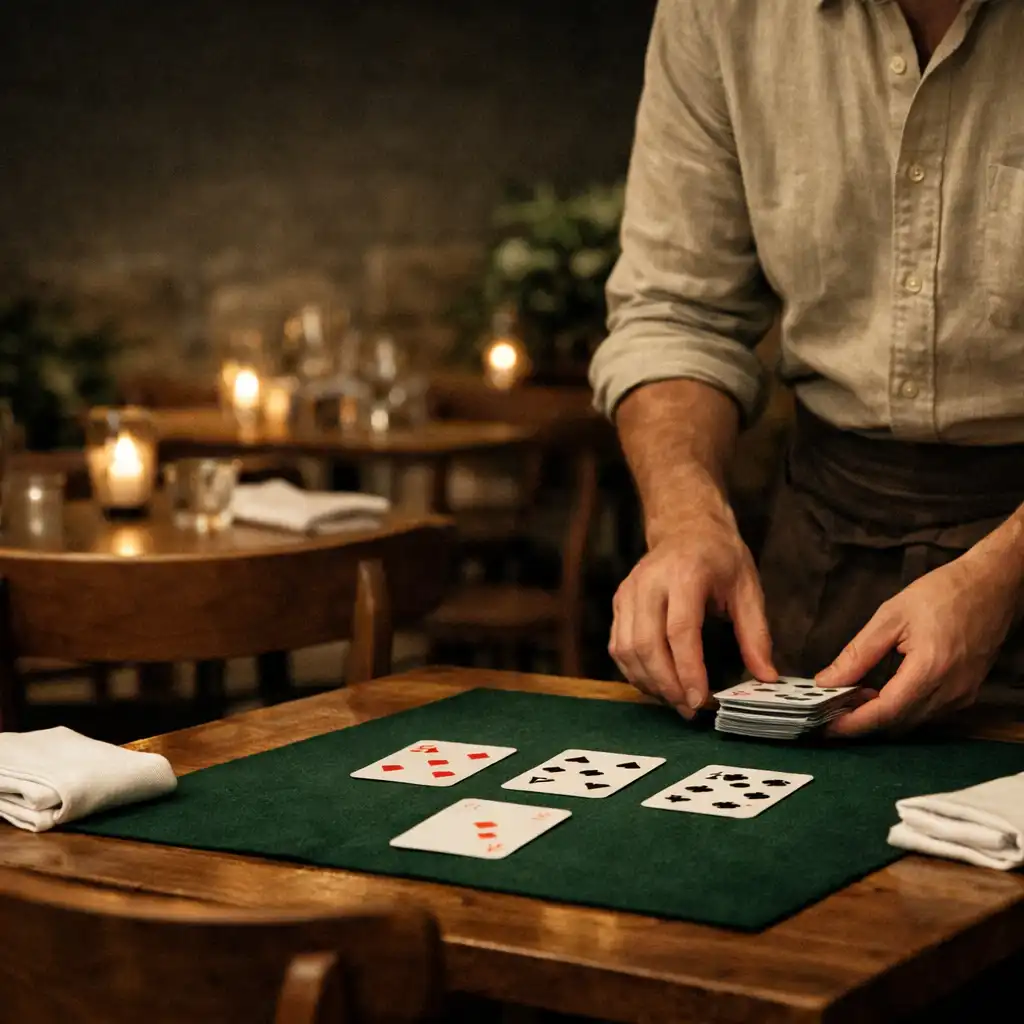
A host's hands preparing a timber card table with folded napkins in a softly lit dining room.
Small preparations can make an evening feel quietly hosted.

What considered hosting looks like

The details that hold a night together

The most memorable evenings are often held together by small hosted details: a table ready at the right time, a seasonal choice that suits the group, and a clear invitation to continue in the card lounge or around poker tables. That attention supports lounge atmosphere, offline poker sessions, host stories and private gatherings without making any one element feel overdone. It is an observed, local kind of hospitality—timber under hand, soft room light and enough time for people to be together.

A considered night is rarely loud; it is simply easy to remain in.

Turn a note into a night out

Use the guide in a simple order: choose the dining mood first, decide whether a card lounge or card room matters to the gathering, then use the planning pathway to organise an in-person visit. When you enquire or make a booking, keep the question practical and venue-neutral: what sort of meal and room rhythm will help your group settle in?

  1. Choose the meal pace and seasonal mood.
  2. Consider the lounge, card room or table context.
  3. Plan a visit with the gathering in mind.

Find the room that suits your evening


Choose the feeling you want from an in-person evening: a seasonal meal, a quiet card lounge, a card room conversation or a hosted poker-table gathering. This guide is here to help you notice the room before you decide on the plan. Take the next step when the atmosphere, the table and the people you are meeting all feel like a good fit.

Editorial note. This guide is an editorial starting point. Room formats, seasonal menus and hosted card-table moments can vary from visit to visit, so use each note as a warm prompt for choosing the kind of physical restaurant experience that suits your gathering.