Dining experiences

Dining Experiences

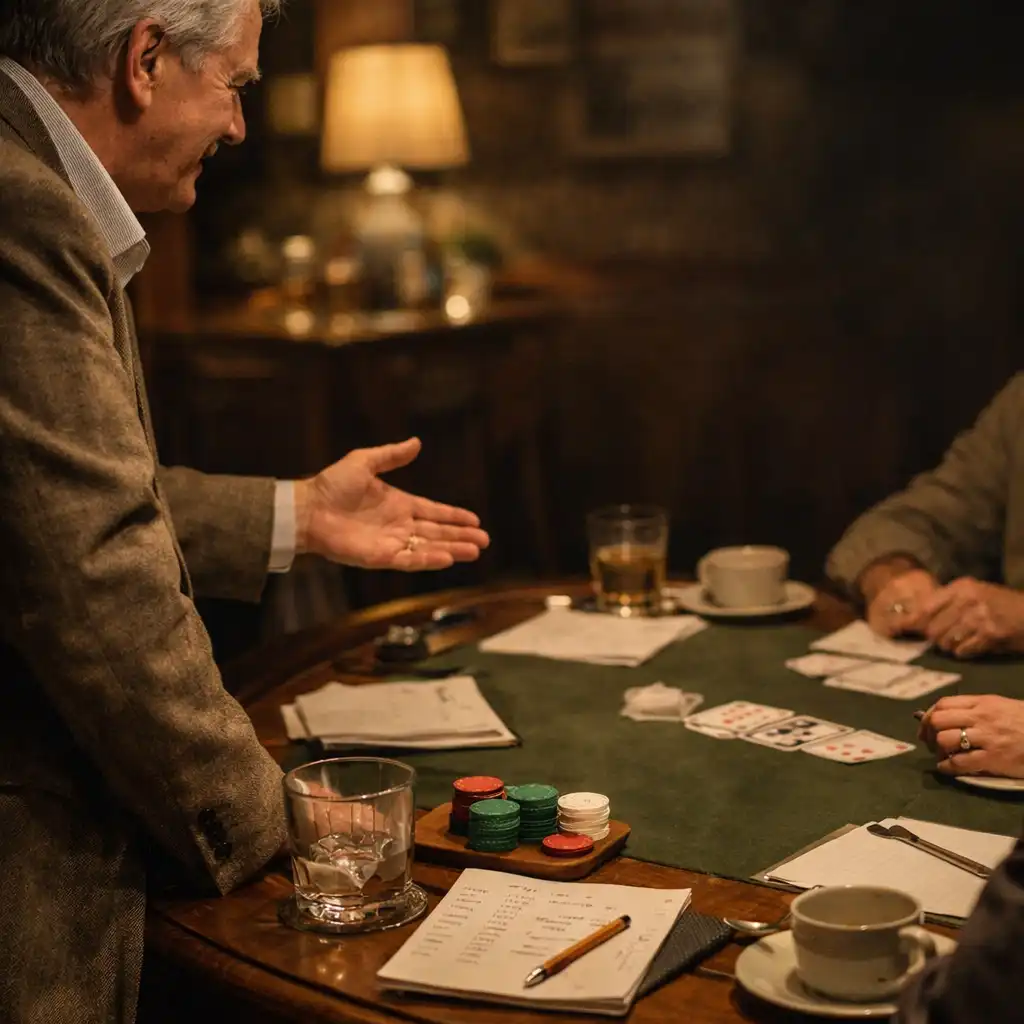
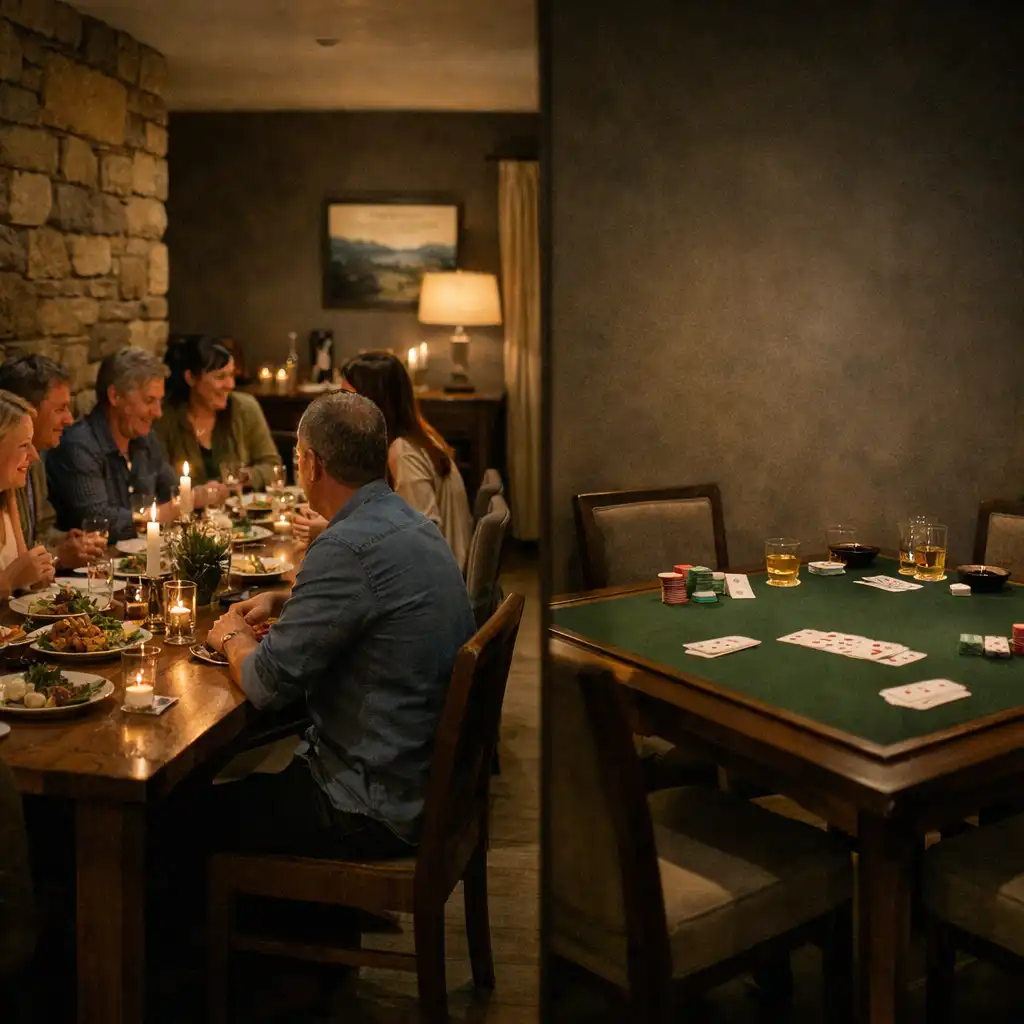
A considered meal can leave room for a second chapter: shared time at the table, then an in-person card-lounge occasion nearby. This guide looks at physical restaurant experiences involving card lounges, card rooms and poker tables, with the meal still at the centre. It is an offline way to gather, talk and settle into the room together.

Card play is a shared, in-person part of the restaurant visit.
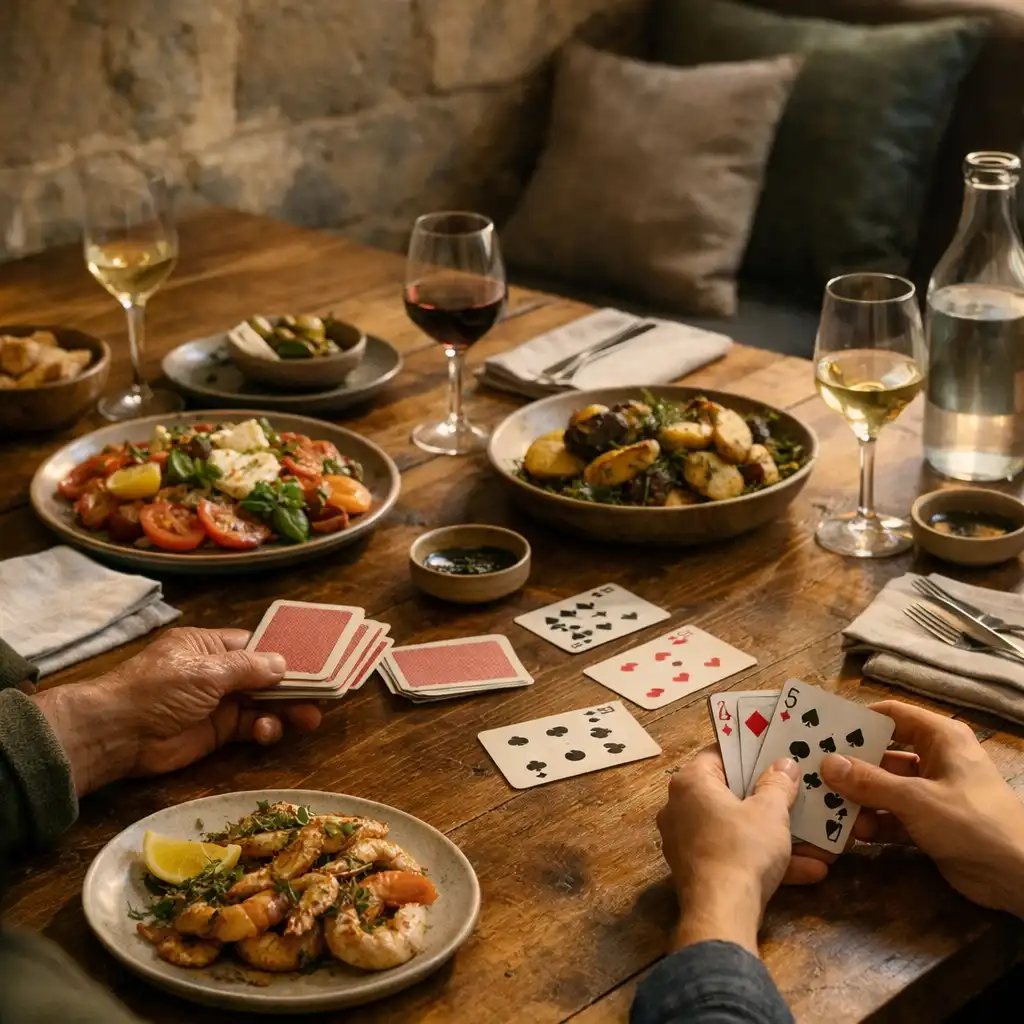
Shared seasonal plates and hands arranging cards at a timber restaurant table.
A meal with room for the table waiting nearby.

Seasonal choices

Choose the rhythm before the course

Seasonal menu choices are easiest to approach through pace, texture and the room they leave for later conversation. Rather than searching for one ideal course, think about whether your group wants a shorter shared meal, a slower dinner with a comfortable interval, or a light finish before settling at a lounge table. Each is simply a cue for an in-person restaurant visit, not a fixed formula.

Shared seasonal plates

A lighter, shared approach can suit a conversation-led card lounge evening. Passing dishes creates natural pauses, lets everyone remain present at the table, and keeps the meal open to the pace of the group. Seasonal choices can be useful here when they feel easy to share rather than overly formal. Consider a meal rhythm with room to talk between courses and no need to rush the handover to cards.

Consider: a passing-style meal when the conversation itself is the first part of the evening.
A longer table, then the card room

A more settled dinner can make the move to a physical card room feel like a second chapter rather than a change of venue. Unhurried courses, a comfortable interval and a room where conversation can continue all help the evening hold together. The idea is not to prescribe what should be ordered, but to choose a dining pace that feels complete before the group gathers around a table.

Consider: a longer meal when you would like the card room to arrive as a calm continuation.

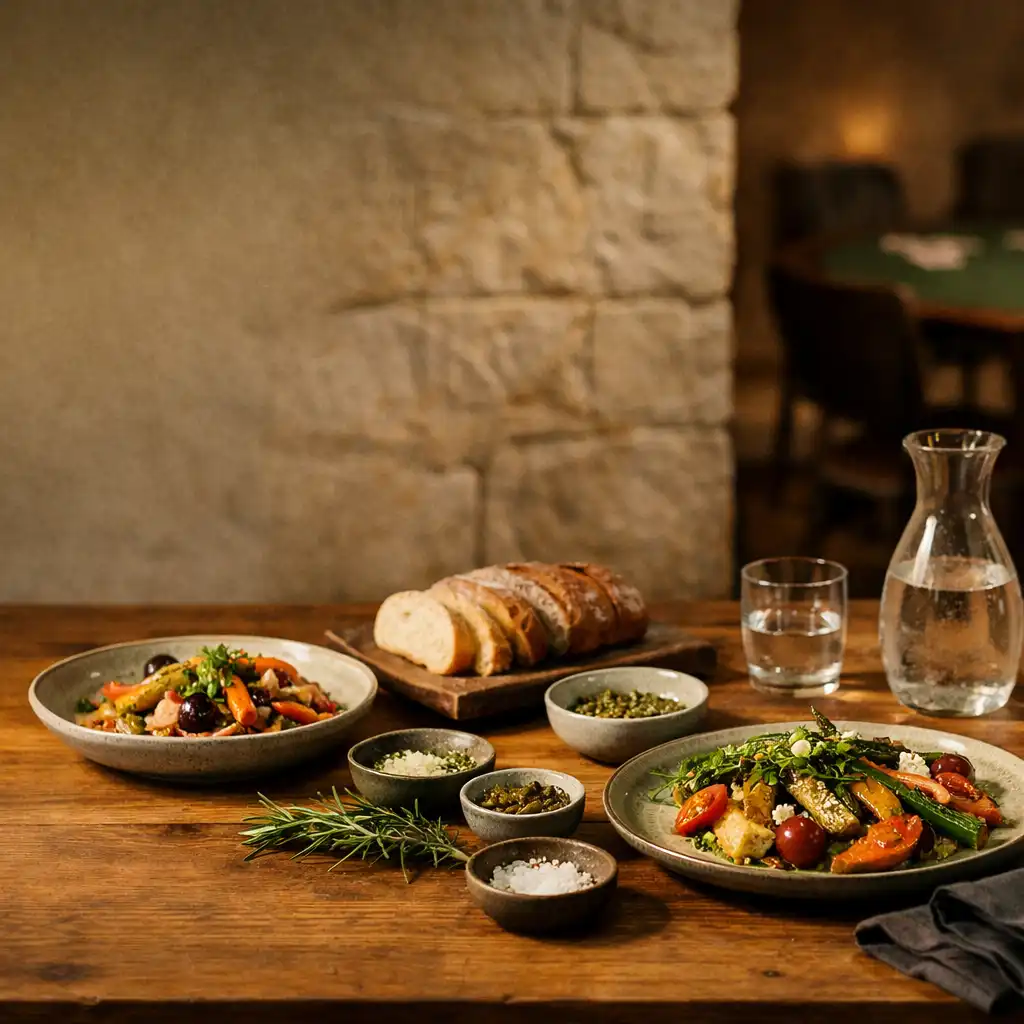
Seasonal shared plates on a timber restaurant table beside a softly lit room.
Seasonal food and a softly held room can set an unhurried pace.

A gentle finish for the table

A late-table choice can suit guests who prefer a lighter finish and a quieter poker-table conversation. A dessert, tea or final savoury course can be enough to mark the meal’s close without making the evening feel abruptly divided. In a physical restaurant setting, offline poker is often most comfortable when everyone has time to finish dining, settle back into their chairs and move together at an easy pace.


Consider: a softer ending when your group values a relaxed transition over a busy schedule.

Lounge atmosphere

Read the room, not just the menu

The room matters as much as the meal when guests expect to talk, linger and sit at a physical card table. Restaurants and lounges can feel different from one visit to the next, so it helps to choose by the kind of evening you hope to share: quieter and settled, gently sociable, or intimate enough for a considered transition. These are descriptive cues, not guarantees about any one room.

For unhurried conversation

A quieter corner can help a small group feel comfortably settled before cards are brought to the table. Notice whether conversation seems easy, whether there is a sense of space between tables, and whether guests can listen without leaning in. That kind of setting can support a meal that unfolds slowly and leaves everyone ready to continue sitting together.

Best for a sociable dinner

For a livelier shared table

A more open card lounge can suit a shared meal where guests want to remain part of the room’s gentle energy. Warm activity around the edges can make an occasion feel hosted and connected without asking the group to perform. It is a useful choice when the conversation is broad, the meal is communal and people enjoy being part of a lived-in restaurant room.

For a considered transition

A card room is often most comfortable when the change is simple: finish dining, gather the group and settle into the next part of the evening. Clear timing and a host-led handover can help the room feel coherent rather than interrupted. If that is the shape you have in mind, plan the room and timing as part of the same occasion.

A note for the table

Top 10 Wine Pairings, considered by pace

Top 10 Wine Pairings can be read as a prompt to think about the meal’s pace and the table’s conversation, rather than a rigid list to order from. A considered pairing might support shared dishes, create a pause between courses, or accompany a slower end to dinner. The useful question is how the meal feels for the people gathered around it, not whether every choice follows a prescribed sequence.

A table has its own tempo: shared plates, a longer dinner, a host story or a private gathering can each set it differently.

Bring your occasion into focus

Top 10 Card Lounge Details

What makes a lounge feel considered

Small physical details make a card lounge feel settled: the relationship between the dining table, card table, lighting, seating and the host’s welcome. They are useful things to notice while choosing a physical restaurant experience, not a checklist any location must meet. The best details tend to make it easier for a group to eat, speak and remain comfortable in the same shared rhythm.

A table made for staying

A table that lets guests sit close enough to speak easily supports the meal as well as the cards that follow. Comfortable spacing, a clear tabletop and enough room for shared dishes can make a group feel settled without turning the setting into something technical or overly arranged.

A host-led handover

A clear, friendly host handover can help a group move from dinner to the card lounge without losing the evening’s rhythm. A simple introduction, an awareness of group cues and a gentle sense of welcome are often enough to make the next table feel like a natural continuation.

Light that settles the room

Warm, even light can help guests read the room, share a course and keep the card table feeling relaxed. It matters both practically and atmospherically: the aim is not a dramatic effect, but a room where faces, hands and conversation remain comfortably present.

Near the room, away from the rush

A little separation from the dining room can preserve conversation while still keeping the restaurant’s warmth close by. A nearby room, alcove or table may suit groups who want to gather around poker tables after dinner. Enquire with the feeling of the room in mind.

Host welcoming guests around a timber card table after dinner.
A host’s welcome can make the move from dinner to cards feel unforced.

Host stories

The host who reads the table

Host stories are often about small acts of welcome that make a restaurant evening feel shared: noticing a pause, introducing guests and keeping the table easy. In a physical restaurant and card-room setting, hospitality can be as simple as helping a group understand the shape of the room and giving conversation time to find its own pace. The most memorable moments are usually quiet ones, where nobody feels hurried from the meal into the next part of the evening.

Best 10 Classic Card Games

A familiar game, chosen together

Best 10 Classic Card Games belongs here as a gentle conversation starter, not an exhaustive catalogue. A host may help a group choose a familiar tabletop game that suits the time available and the people around the table. Familiarity, turn-taking and room for conversation are useful selection cues, especially when the cards are simply part of being together in person.

“The best host story often ends with guests feeling looked after without being hurried.”

A field note from the room

That feeling can carry from dinner to the poker table: a shared meal finished at its own pace, a welcome made gently, and a group allowed to settle into the evening together.

Private gatherings

Gatherings with a table of their own

Private gatherings work best when the occasion is described plainly: the shape of the meal, the number of people, the desired room mood and whether a card table belongs in the evening. Early, clear enquiry gives you a useful way to express what matters without assuming a particular arrangement. Think of the dinner, host welcome and later table as connected parts of one physical restaurant occasion.

Friends sharing dinner at a long timber restaurant table with a prepared card table nearby.
A gathering can move at its own pace, from shared dinner to time around the table.

Start with the shape of the group

A small dinner can leave space for everyone to remain in one conversation; a broader gathering may need a clearer rhythm between dining and the card lounge. Treat size as a question of flow, comfort and how people will talk together, rather than a statement about capacity.

Name the mood, not just the date

Share the feeling you are hoping for: celebratory, quiet, family-like, work-adjacent or simply a chance to sit together after dinner. These cues can be more helpful than a long list of requirements, and keep the enquiry anchored in the kind of evening your group wants to share.

Offline card-table time means people are present together at the restaurant.

Best 10 Offline Poker Evenings

The offline poker evening, in context

Best 10 Offline Poker Evenings is a guide phrase for the ingredients that make an in-person table feel easy: company, timing, a hosted welcome and room to talk. Here, offline poker means people present together around physical poker tables in a restaurant context, not remote participation. It is a social continuation of the meal, shaped by the people in the room and the pace they choose together.

Begin with the meal

A meal-first evening lets guests arrive, share the table and settle into conversation before cards appear. The value is in pacing, not gameplay: everyone has already found their place in the room and can carry that ease forward together.

Keep company close

A familiar group can make the poker table feel like a continuation of the dinner conversation. Being together around a physical table supports easy turn-taking, shared attention and the quiet social detail that does not translate to a remote setting.

Let the host set the tone

A host who can read the pace of a group helps preserve the room’s calm after courses are cleared. The role is less about directing the evening than recognising when guests are ready to gather, pause or simply keep talking.

Leave room for the last hand

The best ending is often an unhurried one: a final conversation, cards returned to the table and a sense that the evening was shared in person. There is no need to force a finish when the occasion has already found its natural rhythm.

When the meal, room and company are considered together, the table can remain the quiet centre of the evening. Plan an in-person visit.

A calm next step

Bring the evening into focus

You now have enough context to describe the experience you want: a seasonal meal rhythm, a lounge mood, a host-led transition or a private gathering around a table. The next step can stay low-pressure and practical. Share the kind of meal, room or occasion you have in mind, and use the pathway that best suits your question.

Plan a visit Contact us

Plan a visit to shape an occasion, or contact the guide with a broader question about your meal, room or gathering.