In-person dining, Australia


Plan Your Visit

A table, a meal, and time to stay awhile

Plan a considered, in-person evening where a meal, conversation and a card table can sit naturally in the same visit. Top 10 Options AU helps you organise an evening around dining, a card lounge, a card room or an offline poker table, then settle into the room at a pace that feels genuinely hosted.

Begin with a guide, or move towards the existing reservation pathway when your idea has taken shape.

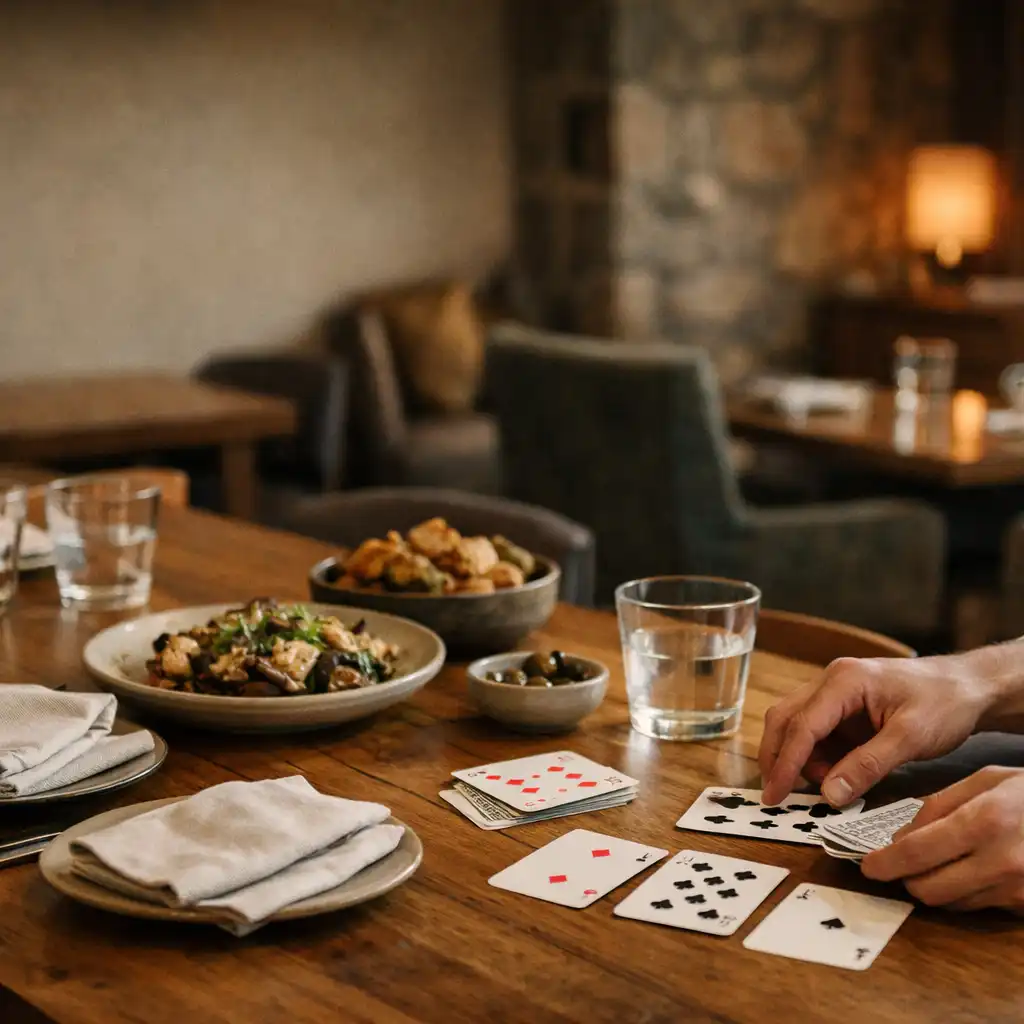
A timber dining table with shared plates, linen, water glasses and playing cards being arranged by hands

Choose a starting point

Choose the shape of the evening

There is no single right way to organise a visit. Start with the part of the occasion that matters most, then use the relevant guide to find language for the mood, meal and in-person table culture you want to explore.

01

Dining first

Begin with the table

Start with the meal when the gathering is chiefly about seasonal choices, shared plates and unhurried conversation. Reading Dining Experiences alongside the Top 10 Dining Notes can help you name the kind of table you are seeking. If the meal is setting the tone, the guide’s wine-pairing notes offer another quiet cue without presuming a particular menu.
02

Room and rhythm

Choose the lounge atmosphere

Choose the card lounge when the room’s atmosphere matters as much as the meal: somewhere to settle in, talk and share a familiar game. The Card Lounge guide and Best 10 Classic Card Games reading are useful when you want a social, hosted and offline rhythm rather than an activity that pulls attention away from the table.

03

Hosted table culture

Make room for the poker table

Consider an offline poker evening when your group is looking for an in-person card-table rhythm alongside dinner, with the setting and host story forming part of the occasion. Best 10 Offline Poker Evenings offers a useful planning lens for physical poker-table culture: conversation, a shared table and simple non-financial table pieces, rather than a promise of any particular session.

Physical table setting · hosted room context · offline occasion

An offline experience, by design. This guide is for being present in the room: dining, cards and conversation happen face to face, not through online poker or remote participation.

The feel of a visit

How an in-person evening can unfold

Arrive with room to settle

Arrival is a moment to slow down: find the room, take in the table setting and let the host guide the group into the evening. It can help to arrive with a little room to settle in, not as a hard rule but as a preference that leaves space for the small observations that make a physical visit feel considered. The guide’s host stories are there to support that attentive, in-person frame.

Arrive with a little room to settle in

Let dinner do its work

Let the meal set the tone, whether the group is there for a seasonal choice, a familiar favourite or a conversation that needs an unhurried table. There is no need to over-plan every course. Instead, use the Top 10 Wine Pairings notes as a gentle conversation starter when food is leading the plan, while allowing the room and the people around you to remain the focus.

Move gently into the cards

When cards are part of the plan, treat the table as a shared social space. Listen for the host’s introduction, make room for conversation and keep attention in the room. A card lounge, card room or poker table works best as an extension of the meal, not a separate performance. The aim is an inclusive, unpressured offline occasion where everyone can take cues from the atmosphere around them.

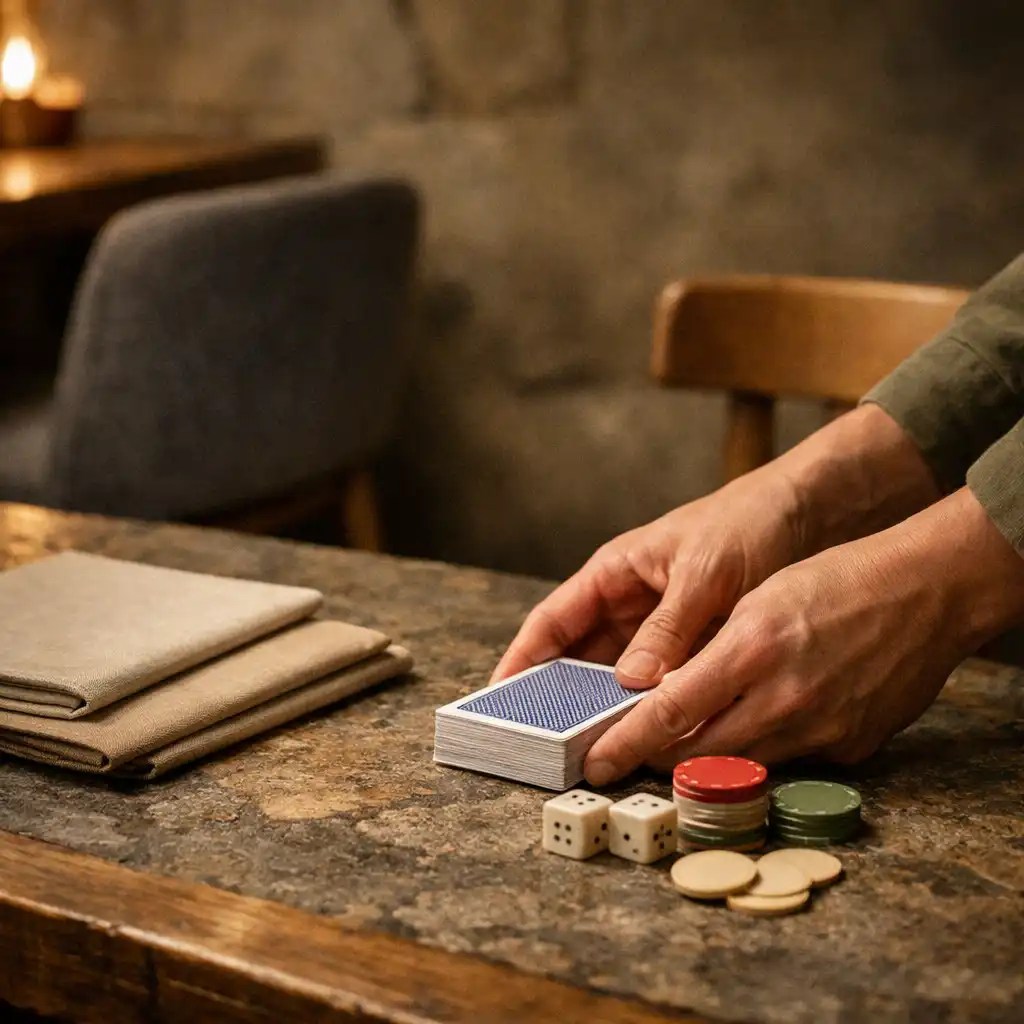
A host's hands arranging cards and menus on a stone and timber restaurant table

Leave enough space for an evening to feel like a visit, not a checklist. The best planning makes room for the table to find its own pace.

— A planning note

Around the table

Plan for the people around the table

The shape of the gathering can clarify what to read next and what to mention when you enquire. Think in terms of the occasion and its mood, rather than assuming a particular room format or arrangement.

For one or two

A smaller table, a clearer focus

For a solo visit or pair, choose the part of the evening you most want to experience and allow the room’s pace to lead. You may be drawn first to a seasonal meal, a quieter lounge atmosphere or simply the pleasure of an observed, in-person table. Keeping the intention simple makes it easier to read the guide without presuming you will join another table or meet anyone in particular.

For friends

A group with a shared intention

For friends, decide early whether the meal, the lounge or the poker table is the shared centre of the gathering, then let that choice guide the enquiry. A browse through Best 10 Classic Card Games may help give a familiar social game an easy place in the evening. Keep the focus on conversation and a shared table, rather than competition, so the group arrives with a common sense of the occasion.

Private gathering

An occasion worth shaping

For a private gathering, describe the occasion in plain language so the right dining and card-room context can be considered. Mention the desired mood, whether a card-table interest is part of the plan, and how you hope the meal will feel. Dining Experiences can help you frame those thoughts without assuming that a particular private arrangement is available.

Planning reading

Read before you organise

These editorial guides are useful when you want to turn a broad idea into a clearer, more considered visit. They are prompts for noticing what matters to your group, not a substitute for an enquiry.

01

Top 10 Dining Notes

Use Top 10 Dining Notes to compare dining moods that may suit a planned outing. It is a calm starting point for choosing whether the table itself, shared food or a slower conversation should lead the evening.

Read the notes

02

Seasonal cue

Top 10 Wine Pairings

Use Top 10 Wine Pairings when the meal is leading the plan and the group wants a seasonal pairing cue. The notes can help start a conversation without suggesting a particular bottle, list or availability.

Read the notes

03

Top 10 Card Lounge Details

Use Top 10 Card Lounge Details to understand the room qualities worth noticing before you enquire. It keeps attention on place, seating, atmosphere and the physical restaurant context around an in-person card table.

Read the lounge guide

04

Best 10 Classic Card Games

Use Best 10 Classic Card Games when a familiar, social game would give your gathering an easy shared rhythm. The useful part is the conversational, offline table culture—not detailed rules or anything that takes guests away from the room.

Explore classic games

Visit readiness

A little preparation changes the feel of the night

Bring the occasion into focus before you move on. Whether the plan is a quiet dinner, a reunion, a host-led card lounge visit or time at an offline poker table, a little clarity lets the room, meal and conversation remain at the centre.

Tell the story of the evening

Share what matters

Use an enquiry to share the group’s dining priority and whether card-room or poker-table atmosphere is central to the visit. You do not need to turn the idea into a fixed plan. A simple description of the mood you are hoping for helps frame an enquiry as a conversation about an in-person restaurant occasion, rather than a request built on assumptions.

Read close to the date

Use the guide as a conversation starter

Browse the guide notes close to your visit, especially where seasonal menu choices and lounge atmosphere matter to your group. Dining Experiences and Card Lounge can give you useful language for what you value, without implying that any guide detail is a live service promise.

Keep the room in mind

Let the table stay social

An in-person card table works best when guests are ready to be present, take cues from the host and leave room for the meal. Keep the attention with the people and atmosphere around the table.

When you are ready

Turn your idea into an enquiry

A useful enquiry begins with the kind of evening you want to organise, rather than assumptions about a particular room or session. The existing contact and reservation pathways are there to help you move from thoughtful reading towards a physical dining-and-card-lounge visit.

01

Start with the occasion

Describe the feeling you hope to create: an unhurried meal, a social card lounge visit, an offline poker-table atmosphere or a gathering that combines those ideas. Plain Australian English is enough. The purpose is to give the evening a clear centre before you follow the next pathway.

02

Give the evening some shape

Useful context includes the dining focus; lounge or card-room interest; whether a poker table is part of the atmosphere; and the broad shape of the gathering, including a possible private occasion. These details help frame an enquiry. They do not guarantee a particular arrangement, and they need not become a form or a long list of personal details.

03

Move from notes to an enquiry

Use Contact Us for a general question, and continue to the reservation pathway when you are ready to move from reading to planning. Both are calm next steps; neither asks you to assume availability before a conversation has begun.

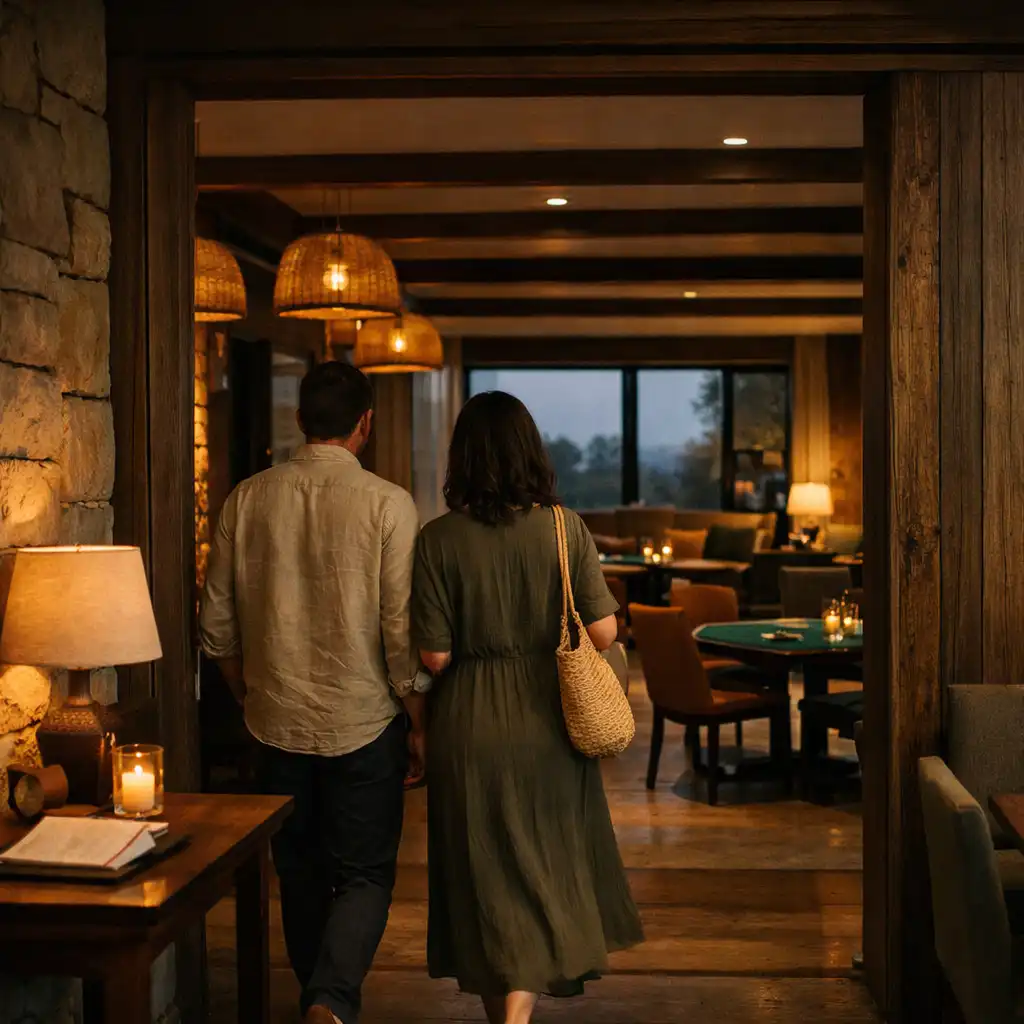
Guests entering a warmly lit timber and stone restaurant with dining tables beyond

Leave space for the evening itself

A well-planned evening can still leave room for discovery. The room, the meal and the conversation should remain the centre of the visit, with a card lounge, card room or poker table sitting naturally within that shared time. Read enough to recognise the mood you are after, then let the in-person details unfold with care. The aim is not to complete an itinerary, but to arrive ready for a considered occasion.

Present in the room. These experiences are in-person and offline, shaped by the table and the people gathered around it.

A note on being there. This guide is for physical restaurant visits where dining, card lounges, card rooms and poker tables are experienced in person. For further practical answers, read the FAQ.